24/09/2026
If you are planning a wedding near Plumstead Common, flowers can feel like the part that quietly changes everything.
If you are planning a wedding near Plumstead Common, flowers can feel like the part that quietly changes everything. They set the tone the moment guests arrive, they show up in the photos for years, and they pull the whole day together without shouting for attention. This Plumstead Common wedding flowers guide is here to help you make sensible, beautiful choices without getting lost in wedding jargon or overcomplicating the process. Whether you want something simple and elegant, a full romantic look, or a mix of modern and traditional styles, the aim is the same: choose flowers that suit the venue, the season, and the atmosphere you actually want. Not the version that looks good only on a mood board.
In practice, that means thinking about the ceremony space, how you are travelling on the day, what can survive a warm room or an outdoor wait, and where your budget will go furthest. Truth be told, wedding flowers are one of those areas where a little planning saves a lot of last-minute stress. And yes, you can still have something gorgeous without turning the whole thing into a florist Olympics.
A local wedding flowers guide matters because flower planning is never just about choosing pretty stems. In and around Plumstead Common, weddings may involve village-style churches, community spaces, homes, halls, or nearby venues with their own lighting, access, and timing quirks. Some spaces are bright and airy; others are trickier, with lower light or a short setup window. That changes what flowers are practical, not just what looks lovely online.
It also matters because wedding flowers carry multiple jobs at once. The bridal bouquet needs to feel personal and photograph well. Bridesmaid bouquets should complement it, not compete. Buttonholes need to stay neat and wearable. Table arrangements must suit the room size. If you want the same style across everything, a guide helps you keep consistency without falling into the trap of sameness.
And there is another layer. Flowers can express the mood of the day better than almost any other detail. White and green can feel calm and timeless. Roses can feel classic and romantic. Mixed summer flowers can feel relaxed and joyful. When chosen well, the flowers do not just decorate the wedding; they help define it. You notice it in the room almost immediately, even before the music starts.
Expert summary: The best wedding flowers are the ones that fit your venue, your timing, your outfit, and your budget in one clean decision. Pretty is important. Practical is what makes pretty last.
This guide works by breaking wedding flowers into decisions you can actually make. Start with the big picture: your colour palette, season, and venue style. Then move into the practical pieces: bouquet shapes, buttonholes, table flowers, ceremony focal points, and any extras like flower petals or corsages.
A sensible floral plan usually begins with the bridal bouquet. That is the most visible piece, the one that ends up in the most photos, and often the one that sets the tone for everything else. After that, you match or soften the bridesmaid bouquets, then bring the same palette into the buttonholes and table flowers. If you are having a smaller wedding, you may only need a few key pieces. If the day is larger, you may want to extend the design across the venue so the visual story feels complete.
In a local setting, timing is part of how it works too. Flowers need to be prepared, transported, and placed at the right moment. The fresher the flowers and the tighter the handling, the better they tend to look through the day. A florist who understands weddings will also think about practical details like heat, hydration, ribbon finish, and whether certain blooms hold their shape well enough for your schedule. That is the stuff people forget until about 8:30 on the morning. Then it suddenly matters quite a lot.
If you are browsing styles, product pages such as wedding flower collections, bridal bouquets, and table arrangements can help you narrow the direction before you commit to a full plan.
Good wedding flower planning is not just about style. It also gives you control, reduces waste, and makes the day feel calmer. That sounds a bit tidy, but honestly, it is true.
There is also a quieter benefit: confidence. Once the flowers are sorted, many couples find the rest of the planning starts to feel less slippery. You can picture the day more clearly. That is a real thing, even if it sounds a little soft around the edges.
For example, a couple who wants a classic look may choose a white bridal bouquet, matching white bridesmaid bouquets, and a rose-focused table design. Another couple might prefer something warmer and more relaxed, with pinks, lilacs, and greenery that feel lighter and more seasonal. Both can work beautifully. The advantage is that the decision is made deliberately rather than by accident.
This guide is useful if you are:
It makes sense early in the planning process, but it is also useful later if you are already a bit undecided. Maybe you have the dress, the venue, and the date sorted, yet the flowers still feel fuzzy. That happens more often than people admit. Flowers seem simple until they are not.
This is especially relevant if you care about the look of the day but do not want everything to feel overproduced. Couples who want understated elegance often benefit from focusing on shape, texture, and colour harmony rather than a long list of floral extras. On the other hand, if you want a more dramatic statement, this is where you work out which elements deserve to be bold and which should quietly support the overall design.
Local relevance matters too. A bouquet that suits a summer garden setting may not be the best choice for a winter afternoon ceremony in a cooler indoor space. The right flowers are not simply the prettiest ones in isolation; they are the ones that make sense in the real world, which is slightly less glamorous but far more helpful.
Before choosing specific flowers, think about the venue style and the time of year. A bright room with lots of natural light can handle more delicate blooms and softer shades. A darker hall may need stronger colour contrast or fuller arrangements to read well in photos. Seasonal availability also matters. Spring flowers feel different from late-summer blooms, and autumn palettes can bring a completely different mood.
A practical question helps here: do you want the flowers to blend in or stand out? That one answer can save a lot of indecision.
A strong colour palette keeps the whole wedding cohesive. The palette does not need to be complicated. Two or three main tones are often enough. White and green give a calm, elegant feel. Pink and ivory can feel romantic and soft. Purple and white can add a slightly richer, more formal edge. If you prefer a cheerful look, mixed colours can work well, but they still need some structure so they do not feel random.
To make the choice easier, look at the dress fabric, the bridesmaids' outfits, table linens, and even the venue decor. The flowers should sit comfortably with those details, not fight them for attention.
Bridal bouquets usually come in three broad directions: structured, loose and natural, or cascading. Structured bouquets feel neat and classic. Loose bouquets feel airy and modern. Cascading bouquets bring a more dramatic, flowing silhouette. The right choice depends on the dress, your movement on the day, and how formal you want the overall effect to feel.
If you are not sure, it helps to think in mirror terms. The bouquet sits opposite the dress, visually speaking. A very detailed gown often works well with a simpler bouquet. A pared-back dress can support a richer, more layered floral design.
Once the bridal bouquet is set, build the rest of the flowers around that style. Bridesmaid bouquets should echo the same palette but usually in a slightly lighter or simpler form. Buttonholes should be small, neat, and durable. Table flowers can either mirror the bouquet or go a little softer so the reception does not feel overloaded.
You may also want corsages for key family members, especially if the wedding includes a more traditional guest mix. Small flower details matter more than people expect. A carefully placed corsage can feel like a quiet nod of appreciation.
Flowers are beautiful, but logistics are what make them arrive looking beautiful. Confirm delivery timing, storage instructions, and where each piece will be handed over. If your ceremony and reception are in different places, there needs to be a clear plan for transport. If any flowers need to be moved from one venue to another, keep that simple. Really simple.
This stage is also where you ask about care. Some flowers need cool storage and protection from direct heat. Others are sturdier and more forgiving. A florist who explains this clearly is usually worth listening to.
Before the wedding, review every piece against the order of the day. Check the number of bouquets, buttonholes, and arrangements. Make sure names, times, and delivery details are accurate. One small typo or assumption can cause an unnecessary headache. Not the end of the world, but annoying all the same.
If you want wedding flowers that look polished without feeling overworked, these are the details that help most.
One small professional habit that helps a lot: keep a shared reference image or mood board, but use it as a guide rather than a rulebook. Sometimes couples bring in half a dozen screenshots and expect them all to become one arrangement. Nature, unfortunately, does not take instructions quite that neatly.
If you are working with an established florist, browse items like bridal bouquet styles, bridesmaid bouquets, buttonholes, and corsages to spot patterns you like before making the final brief.
Wedding flowers go wrong most often because of mismatched expectations, not because anyone chose the wrong blossom in isolation. Here are the common mistakes worth avoiding.
Another common slip is underestimating the wedding party sizes. A design that works beautifully for two bridesmaids may need adjusting if there are four. That sounds obvious, but planning day brain is a funny thing. It tends to blur those numbers until the week before.
Finally, do not assume every flower will be equally available or equally resilient. Roses, lilies, alstroemeria, chrysanthemums, germini, hydrangeas, and orchids all behave differently in arrangements. Understanding their character is much more useful than just knowing their names.
You do not need specialist software to plan wedding flowers well, but a few simple tools make the process easier.
When choosing product styles, some couples like to compare floral collections side by side. For example, a classic white look may suit white wedding collections, while a more romantic or bold theme may point you towards romantic wedding collections or bright, joyful bridal styles. If you prefer a more bespoke feel, a florist-choice approach can be a sensible starting point, especially if you trust the florist's judgement.
Useful product families on the site also include table arrangements, groom buttonholes, bridesmaid bouquets, and wedding gifts for finishing touches.
For wedding flowers, the most relevant guidance is usually about best practice rather than formal legal compliance. Still, a few sensible standards help protect your day and your budget.
First, be clear about delivery terms, substitutions, and refund expectations before confirming an order. Wedding flowers are often time-sensitive, so you want to know what happens if a bloom becomes unavailable or a delivery window changes. A clear written order or confirmation is a good sign. If anything is vague, ask for clarification early.
Second, if flowers will be installed in a venue, check any venue rules about access, setup times, standing decorations, candles, or hanging pieces. Many London venues have practical restrictions, and it is always better to know before the van arrives with armfuls of roses and nowhere to put them. That bit is easy to laugh about later, less so on the day.
Third, follow ordinary care and handling standards. Fresh flowers should be kept in suitable conditions, out of direct heat, and moved as little as possible once arranged. If you are handling flowers yourself, clean water, sharp scissors, and a cool room go a long way. No drama required.
Finally, if you are comparing florist services, look for clear communication, realistic lead times, and straightforward policies. The strongest wedding flower service is not the one that promises miracles. It is the one that explains how things will actually happen.
Different wedding flower approaches suit different couples. The table below offers a simple comparison to help you decide where to focus.
| Approach | Best for | Pros | Watch-outs |
|---|---|---|---|
| Classic coordinated set | Formal or traditional weddings | Elegant, cohesive, easy to photograph | Can feel too safe if colour and texture are not varied a little |
| Seasonal mixed flowers | Relaxed, natural-looking weddings | Fresh, flexible, often visually rich | Needs good balance or it can look busy |
| Minimal white-and-green styling | Modern, understated weddings | Calm, timeless, polished | May need strong shape or texture to avoid looking sparse |
| Statement bouquet with simple supporting flowers | Couples who want one standout feature | Budget-friendly in the right places, memorable | Supporting pieces must still feel intentional |
| Full venue florals | Larger weddings or floral-led designs | Immersive, dramatic, very complete | Higher cost and more planning required |
For many couples, the most practical option is a hybrid: invest properly in the bridal bouquet and ceremony flowers, then simplify elsewhere. That usually gives the best return visually and financially. Not glamorous advice, maybe, but useful advice.
Here is a realistic example based on a typical local wedding brief. A couple planning a spring ceremony near Plumstead Common wanted something elegant but not stiff. The bride liked white flowers, the groom preferred a little colour, and the venue room was fairly light but not huge. They did not want the tables to feel crowded, and they needed flowers that would survive a short car journey between locations.
The final plan was simple: a soft white bridal bouquet, smaller bridesmaid bouquets with a touch of blush, neat white buttonholes, and low table arrangements that used similar flowers but with more greenery. The look felt cohesive without being overly formal. The couple had enough floral presence for the photos, but the room still felt easy to move around in. Guests could talk, the tables felt balanced, and the bouquet looked fresh right through to the evening.
What made it work was not extravagance. It was restraint. The florist chose flowers that suited the space and kept the palette tight enough to feel deliberate. That is often the trick with wedding flowers. A little less, chosen well, goes a long way.
Use this checklist when finalising your wedding flowers:
Quick practical note: if you can answer those ten points confidently, you are already ahead of most wedding flower planning. Really, you are.
For easier planning, it can help to review the broader florist pages such as Plumstead florist services, flower delivery in Plumstead SE18, and the dedicated wedding flowers page when building your shortlist and comparing styles.
A thoughtful wedding flower plan makes the whole day feel more settled. It brings colour, shape, scent, and atmosphere together in a way that guests may not analyse, but they definitely feel. For a Plumstead Common wedding, the smartest approach is usually the one that respects the venue, the season, and the practical realities of the day while still giving you a floral look that feels like you.
Start with the bouquet, keep the palette focused, and let the supporting flowers do their job quietly. That is often enough to create something memorable without overcomplicating the budget or the logistics. If you are unsure where to begin, a clear conversation with a florist and a simple visual plan will go a long way.
Get a free quote today and see how much you can save.
With the right flowers in the right places, even a modest setup can feel special in the most lasting way.
The best flowers depend on your season, venue, and style, but roses, lilies, alstroemeria, chrysanthemums, germini, orchids, and mixed seasonal blooms are all popular choices. The right answer is usually the one that balances appearance with practicality.
It is sensible to book as early as you can once the date and venue are confirmed, especially if you want a specific style or a busier wedding period. Early planning also gives you more room to refine the design without pressure.
Not necessarily. In most weddings, the bridesmaids' bouquets echo the bridal bouquet rather than copy it exactly. A slight difference in size, flower mix, or colour intensity usually looks more elegant.
That depends on who is in the wedding party and how traditional you want to be. At a minimum, couples often include the groom, best man, fathers, and any other key family members or ushers.
Yes. Focus on the most visible pieces first, especially the bridal bouquet and ceremony flowers, then simplify the rest. Seasonal flowers and smaller table arrangements can also keep costs more manageable.
A good florist will suggest similar alternatives that keep the same feel, colour, or texture. This is where flexibility helps. Sometimes the substitute ends up looking even better in the final design.
They can be, but it depends on the venue and guest preferences. Strong fragrance may not suit every room or every guest list, so it is worth considering scent as part of the planning rather than an afterthought.
Not always. If the venue already has strong visual character, smaller or fewer table arrangements may be enough. The goal is to complement the space, not drown it in flowers.
Keep them cool, hydrated, and out of direct sunlight where possible. Ask your florist for care instructions and delivery timing so the flowers spend as little time as possible out of water.
Bring your venue details, wedding date, dress or outfit colours, guest count, inspiration images, and any must-have flowers. A simple list of priorities is often more useful than a huge stack of screenshots.
Absolutely. Roses combine beautifully with lisianthus, orchids, hypericum, lilies, alstroemeria, and many seasonal stems. Mixing textures is often what keeps the design from feeling flat.
For a smaller wedding, a bouquet, a few buttonholes, and a handful of table or ceremony arrangements can be enough. A focused design usually feels more refined than spreading the budget too thinly.
[IMG1]
If you are planning a wedding near Plumstead Common, flowers can feel like the part that quietly changes everything.
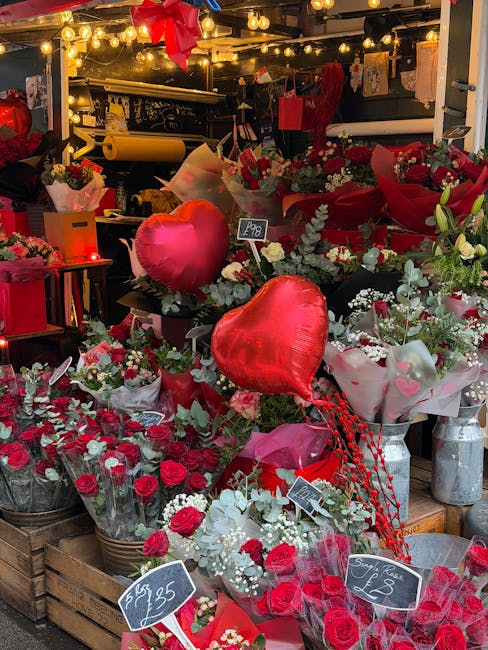
If you are planning an event on or around Plumstead High Street, the flowers do more than just "look nice". They set the tone, help people remember the occasion, and can even make a small venue feel properly special.

Peonies are more than just exquisite blooms; throughout centuries, these flowers have been imbued with deep meanings and vibrant symbolism, often conveyed through their myriad colors.
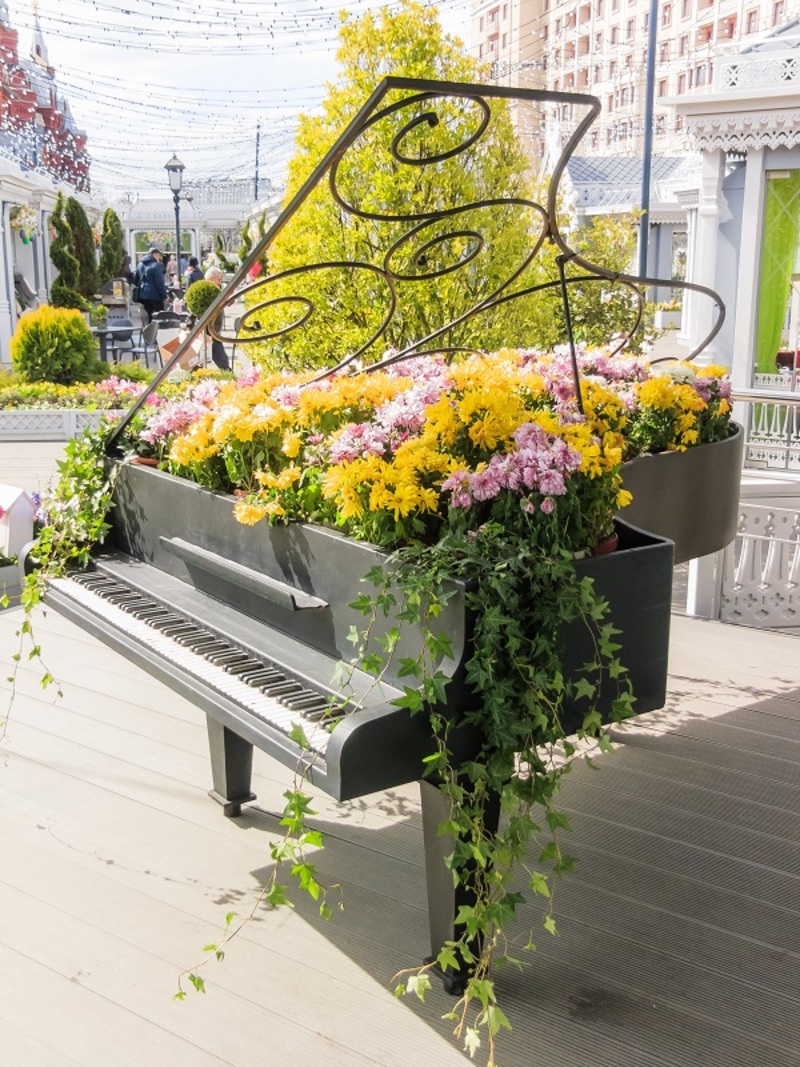
Ensure Lush Bloom with These Hydrangea Care Tips Hydrangeas are beloved garden shrubs celebrated for their captivating, globe-like blossoms and their ability to transform any landscape into a vibrant paradise.
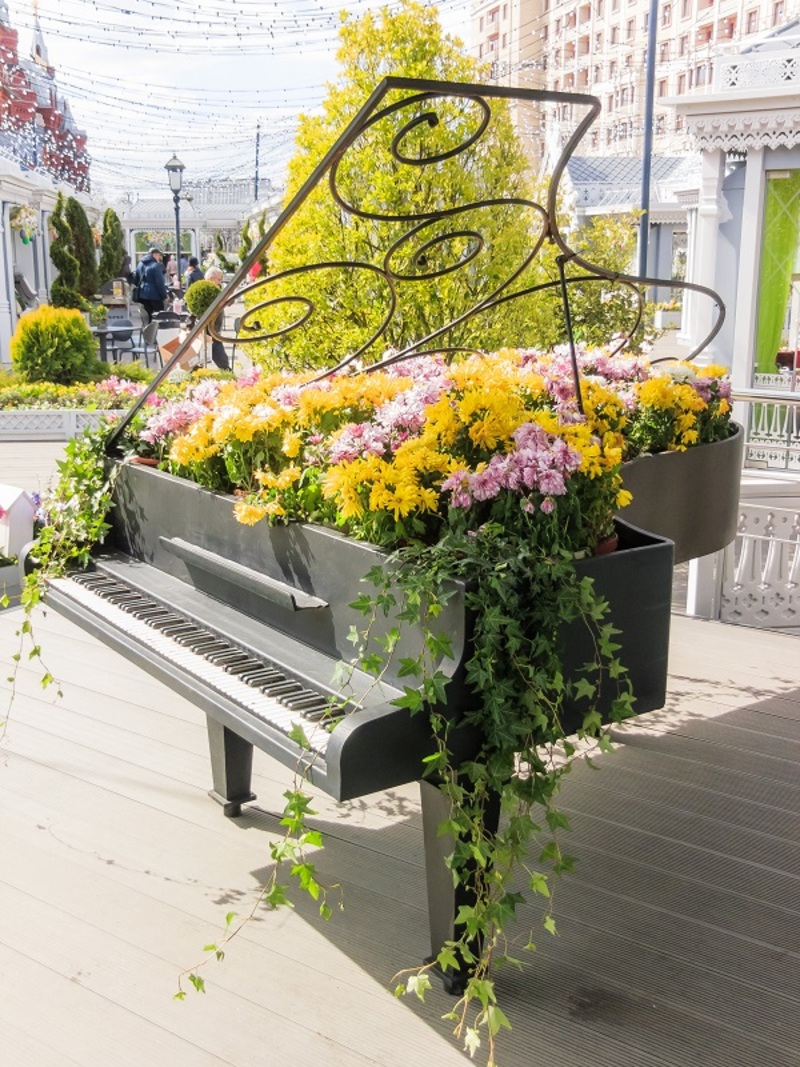
Fresh flowers have an undeniable allure--bringing color, fragrance, and a touch of nature's artistry into our homes and surroundings. But one concern always lingers: how long will these beautiful blooms last?
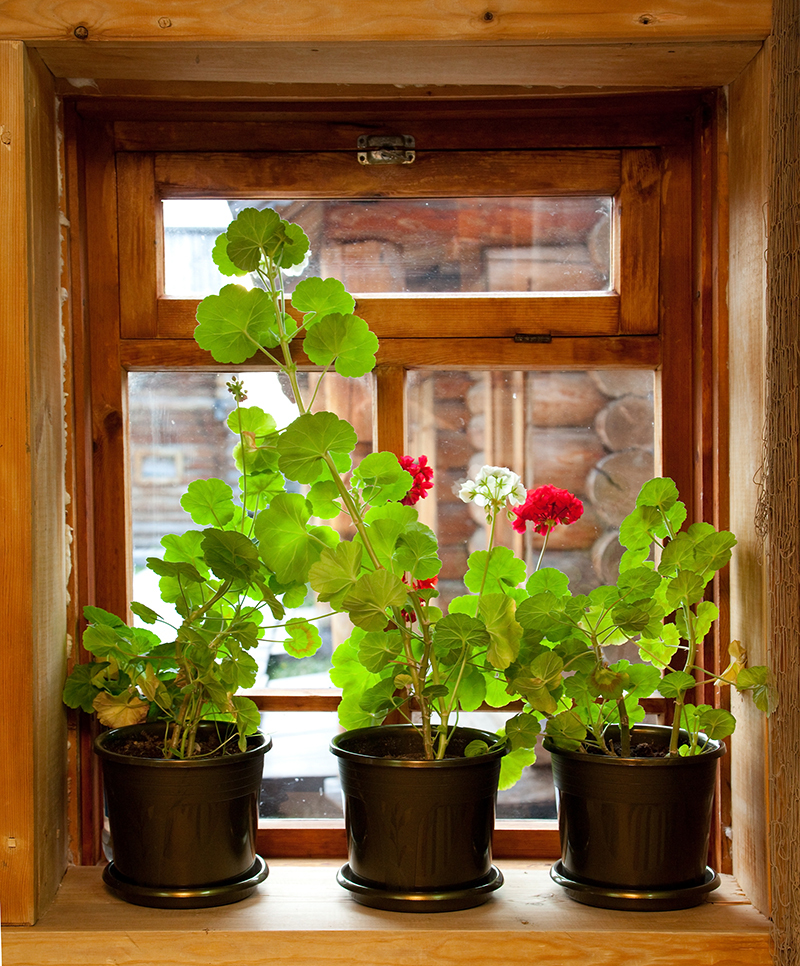
Orchids--with their striking blooms and breathtaking variety--have fascinated gardeners and plant lovers for centuries.

The world of flowers is enchanting, diverse, and full of healing potential. Throughout history, people have turned to nature's remedies, especially flowers, to foster well-being.

Cut flowers bring freshness, fragrance, and beauty into your home, turning any living space into a touch of spring. However, their vibrance and longevity rely on proper cut flower care.
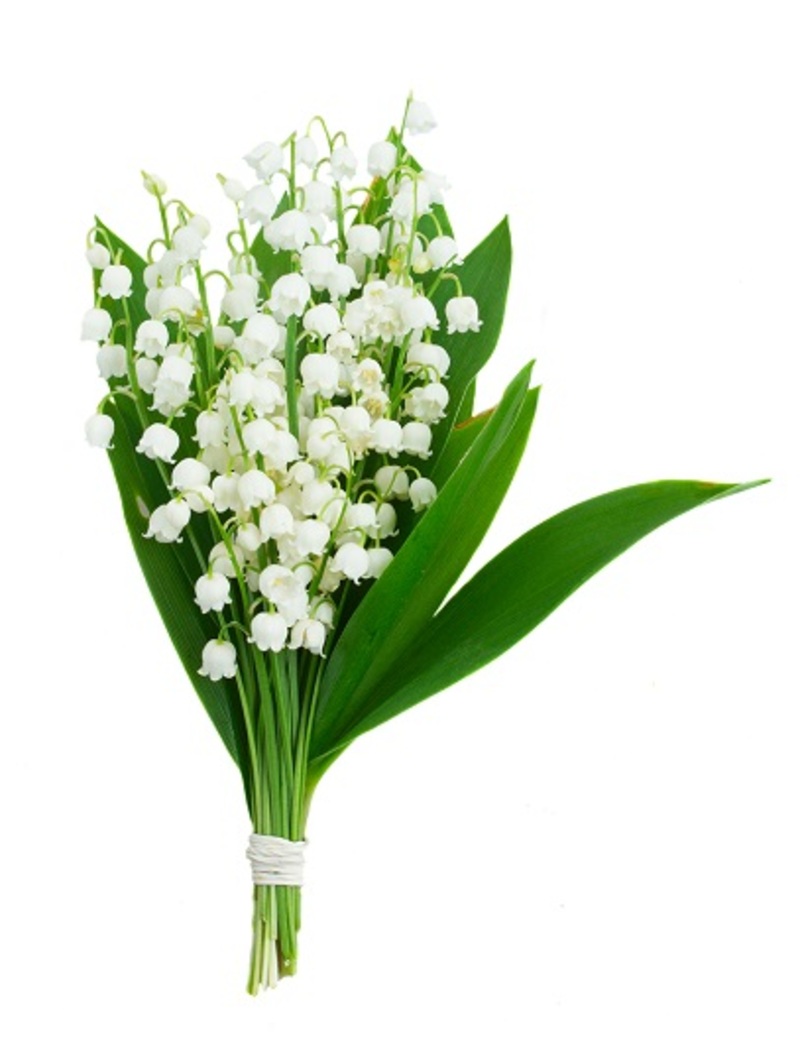
Looking to delight a loved one on their birthday with a floral arrangement that stands out from the rest?
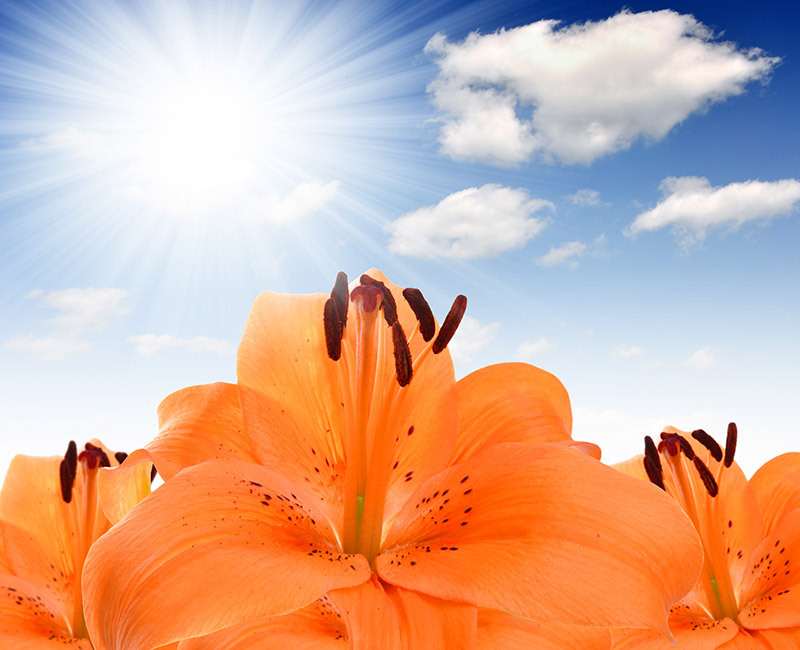
Poinsettias, with their vibrant red, pink, and white bracts, are quintessential ornaments of the holiday season and beyond. However, growing and maintaining healthy poinsettias require more than just occasional watering.

Are you searching for ways to infuse your workspace with a breath of fresh air? Bringing low maintenance office plants to your desk is an effective solution.

Flowers bring beauty, fragrance, and vibrancy to any space. Whether you grow them in your garden, receive them as a gift, or purchase them to brighten your home, preserving their delicate nature is always a challenge.

Sunflowers are more than just stunningly beautiful flowers swaying in fields or brightening up gardens.

Valentine's Day is synonymous with love, passion, and heartfelt gestures. Over the decades, few symbols have captured the essence of romance better than the timeless red rose.

Are you often captivated by the beauty and mystery of flowers? Do certain blooms seem to resonate with your personality or emotions more than others?

Tulips are among the most beloved and recognizable flowers on the planet, often gracing grand gardens, elegant bouquets, and dazzling spring landscapes.

Have you ever wondered what your birth flower says about you?

Each year, as mid-February approaches, florists brim with crimson blooms and lovers seek the perfect way to express their deepest emotions. But why has the red rose become so intertwined with Valentine's Day?
Please fill out the form below to send us an email and we will get back to you as soon as possible.